American Ramen Mashups: Buffalo Ranch, Birria, Swicy, and More
Published: Mar 27, 2026/ Last Updated:Mar 27, 2026
- 7 min read

Introduction: Ramen is the Perfect Base for Bold Flavors
Mashups + Swicy Are Shaping Menus
If you’ve noticed ramen showing up in unexpected places—sweet-heat drizzles, taco-night spices, wing sauces—that’s not your imagination. Mashups are one of the clearest signals of how Americans like to eat right now: familiar flavors, remixed in a new format, and “Swicy” (sweet + spicy) has been spreading across menus.
The fun part: ramen is the perfect base for this. It’s fast, flexible, and ready to take on bold sauces, spice blends, and comfort-food cues—without requiring restaurant-level effort.
- Index
- Why Gen Z and social platforms amplify ramen hacks fast
- Mashup 1: Swicy ramen (hot honey / sweet-heat sauces)
- Mashup 2: Wing-night ramen (Buffalo + ranch, garlic parmesan)
- Mashup 3: Tex-Mex ramen (fajita/taco spice) + birria ramen
- Mashup 4: Korean-fusion ramen (gochujang + kimchi)
- Mashup 5: Pizza ramen
- Mashup 6: Chicken-soup ramen
- Build-your-own “American ramen mashup” formula
- Conclusion and where to buy Myojo USA noodles
■Why Gen Z and social platforms amplify ramen hacks fast
Ramen mashups don’t just spread through restaurants and store shelves—they spread through feeds. TikTok and Instagram are packed with “Ramen Hacks”, to the point where food writers have joked about being “bombarded” by them.
At the same time, younger adults are heavy TikTok users, which helps explain how a single flavor idea can travel fast—especially when it’s visual (a glossy hot-honey swirl, a cheesy “pizza ramen” pull, a bright kimchi topping).
Our take: Gen Z doesn’t just watch food trends—they help prototype them in public. Ramen is ideal for that: it’s inexpensive, customizable, and instantly “before/after” friendly on video.
■Mashup 1: Swicy ramen (hot honey / sweet-heat sauces)
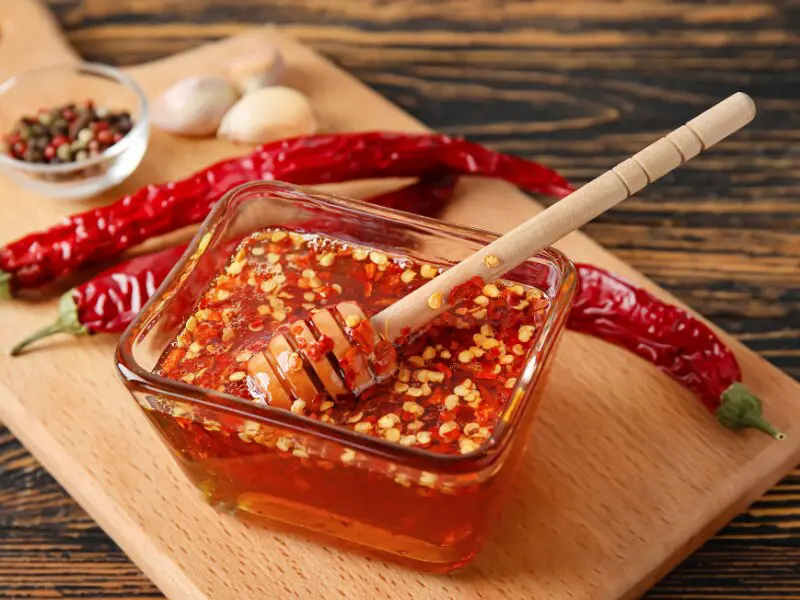
What “swicy” means in the U.S. right now
Swicy isn’t just a buzzword. Industry coverage has highlighted swicy flavors showing even in drinks (think hot-honey espresso martinis and spicy margarita-adjacent energy), and trend reporting has pointed to honey’s rise inside sweet-heat flavor combinations.
For example, Nissin has even named a ramen recipe “SWICY HOT & SPICY,” blending honey with savory seasonings (and optional sriracha) to deliver that sweet-heat “swicy” profile in a bowl.
If you love the idea but don’t want your bowl to feel “too spicy,” swicy is also forgiving: you can dial the heat up or down while keeping the sweet, glossy finish.
Try it at home: hot-honey-style ramen in 10 minutes
Flavor logic:
Sweet-heat works because it hits three notes at once: sweetness (honey or sweet chili sauce), heat (chili flakes or hot sauce), and a tangy edge (vinegar or citrus) to keep it bright.
Quick method:
- Cook your ramen as usual.
- In a small bowl, whisk: 1–2 tsp honey + 1 tsp soy sauce + 1 tsp rice vinegar (or lemon) + a few shakes of hot sauce (or chili flakes).
- Stir the sauce into your ramen. Add a splash of hot water if you want it to be soupier.
- Finish with “signature toppings”: scallions, sesame seeds, soft-boiled egg, crispy onions.
■Mashup 2: Wing-night ramen (Buffalo + ranch, garlic parmesan)
Why wing sauces translate to ramen
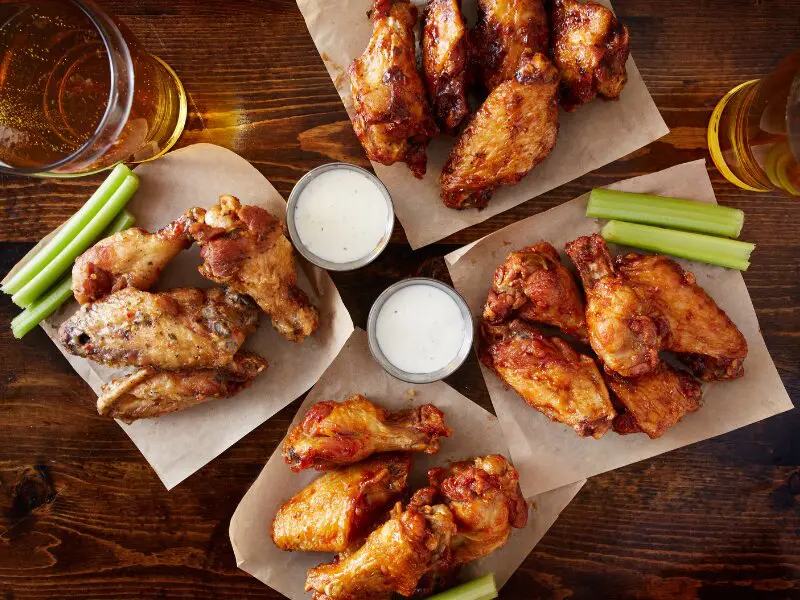
Wing flavors are already a familiar American “sauce language”: Buffalo heat + tang, ranch creaminess, garlic-parmesan savory comfort. So it makes sense that brands are translating those exact cues into ramen formats—explicitly listing Buffalo-with-ranch, lemon pepper, and garlic parmesan as wing-inspired ramen flavors.
Try it at home: Buffalo-ranch ramen build
Flavor logic:
Buffalo sauce brings tangy heat; ranch brings creamy herbs; together, they taste like game-day comfort.
Quick method:
- Cook your ramen as usual.
- Stir in 1–2 tsp Buffalo sauce.
- Add 1 tbsp ranch (or plain Greek yogurt + a pinch of garlic or onion powder if you want a lighter option).
- Finish with “signature toppings”: shredded chicken (optional), celery slivers, scallions, cracked black pepper.
Try it at home: garlic-parmesan ramen build
Flavor logic:
Garlic + parmesan is savory, rich, and instantly recognizable—like garlic bread meets noodles.
Quick method:
- Cook your ramen as usual.
- Stir in 1 tbsp butter (or olive oil) + 1 small grated garlic clove (or ¼ tsp garlic powder).
- Add 2 tbsp grated parmesan.
- Finish with “signature toppings”: parsley, black pepper, optional chili flakes for a tiny kick.
■Mashup 3: Tex-Mex ramen (fajita/taco spice) + birria ramen
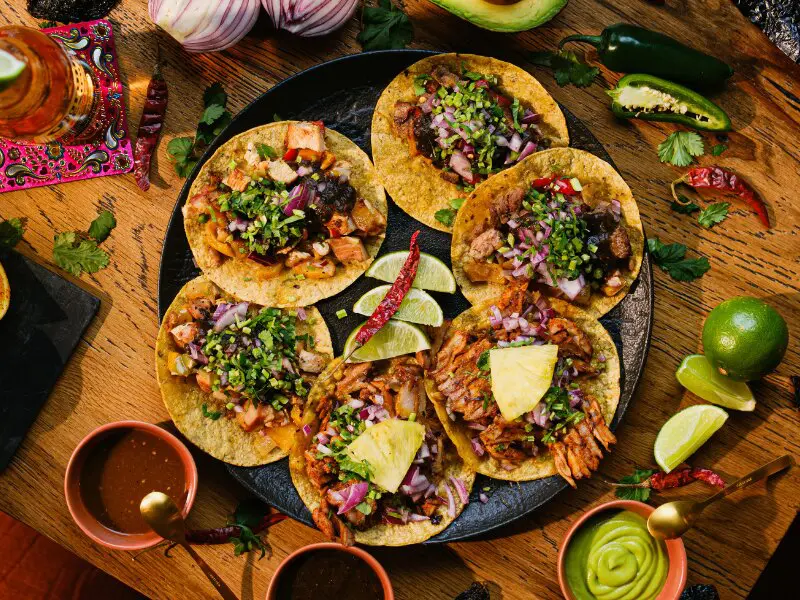
Fajita / taco-spice ramen blueprint
Tex-Mex flavor cues are mainstream enough that a major U.S. brand now markets a fajita-flavor ramen as “the perfect fusion of comforting ramen and bold Tex-Mex flavors.”
Try it at home: fajita ramen
Flavor logic:
Taco/fajita spices feel “right” in ramen because the spice blend already includes savory warmth (cumin, garlic, onion, chili) that plays well with a broth base.
Quick method:
- Cook your ramen as usual.
- Add 1 tsp taco seasoning (or a blend of cumin, chili powder, and garlic powder).
- Brighten with a squeeze of lime.
- Finish with “signature toppings”: cilantro, diced onion, corn, crushed tortilla chips.
Birria ramen: how to recreate the vibe at home
Birria ramen is a known mashup in restaurant ordering menus—listed plainly as “Birriamen (Ramen w/Birria)” Large Ramen w/Birria Meat & Broth.
And it’s also moved into packaged flavor concepts, showing how recognizable the pairing has become.
Try it at home: birria ramen
Flavor logic:
Birria is rich, chili-forward, and full of flavorful broth—making it a perfect match for ramen. Put them together, and you get a deep, comforting bowl with a spicy-savory backbone.
Quick method (weeknight-friendly):
- Cook your ramen with beef broth.
- Stir in 1 tsp chili powder + ¼ tsp cumin + ½ tsp smoked paprika powder.
- Add a splash of salsa roja (or a spoonful of chili crisp).
- Finish with “signature toppings”: cilantro, onion, lime, and shredded beef.
■Mashup 4: Korean-fusion ramen (gochujang + kimchi)
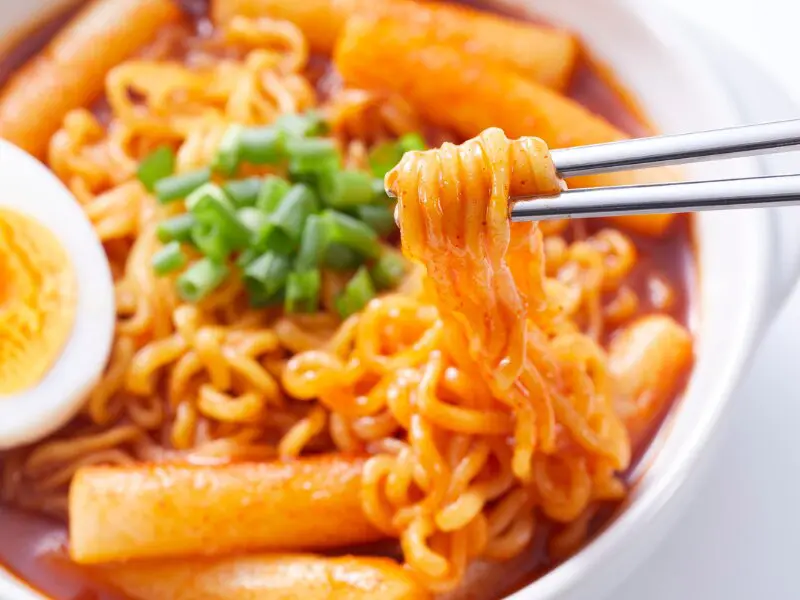
Why gochujang + kimchi are natural ramen partners
Korean flavors have been moving deeper into mainstream U.S. eating, with kimchi and Korean BBQ sauces becoming widely adopted.
On the restaurant side, menu-trend reporting has noted measurable growth in gochujang pairings in 2024—another sign the sweet-heat, fermented, savory profile is clicking.
And kimchi ramen isn’t hypothetical: it appears as a named menu item with a “tangy, spicy, kimchi broth” and kimchi toppings.
Try it at home: kimchi-gochujang ramen
Flavor logic:
Gochujang brings sweet-heat depth; kimchi brings tang and fermented savoriness; together, they deliver a bold broth with balance.
Quick method:
- In a pot, heat 2 cups of broth (chicken or veggie).
- Whisk in 1 tsp gochujang + 1 tsp soy sauce.
- Add ramen noodles and cook.
- Add half packet of seasoning or soup base that comes with the ramen package and adjust to taste.
- Stir in a small handful of chopped kimchi.
- Finish with “signature toppings”: sesame oil drizzle, scallions, soft-boiled egg.
■Mashup 5: Pizza ramen
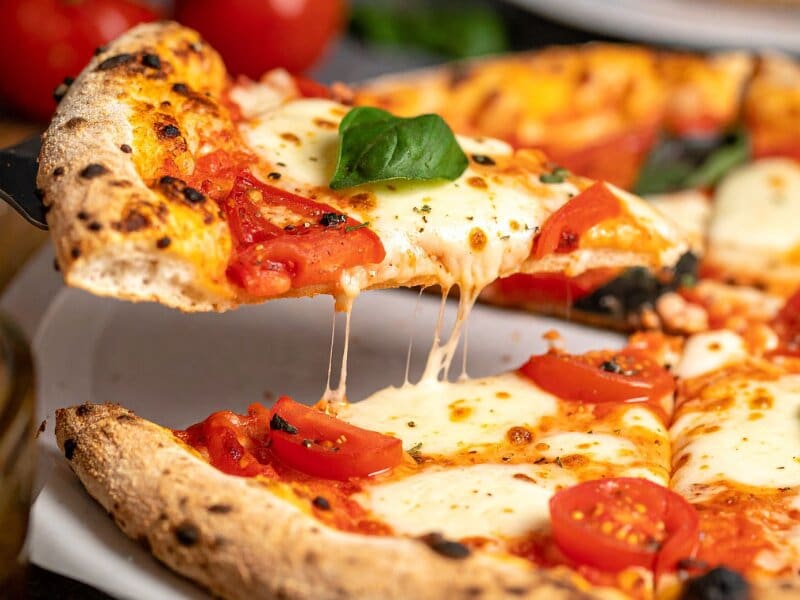
Why “pizza flavors” work in ramen (tomato-herb-cheese cues; cozy + familiar)
Pizza ramen is real enough to be sold as a labeled flavor concept: one product describes bringing “cheesy pizza flavor” to instant ramen, with suggestions to customize with extra cheese or pepperoni.
Corporate product news has framed this as a deliberate comfort-food remix—pizza-roll vibes meeting “the brothy goodness of ramen.”
Try it at home: “pizza-night ramen”
Flavor logic:
Pizza flavors are basically tomato + herbs + savory cheese. Ramen can carry those cues easily, especially in a slightly thicker, less-broth bowl.
Quick method:
- Cook ramen and reserve a few tablespoons of the cooking water.
- Stir in 1–2 tbsp marinara (or tomato paste + a splash of broth).
- Add ¼ tsp Italian seasoning (or oregano + basil).
- Add a small pinch of the ramen seasoning packet or soup base for extra umami.
- Add cheese off heat (mozzarella or parmesan).
- Finish with “signature toppings”: pepperoni bits (optional), red pepper flakes, and parsley.
■Mashup 6: Chicken-soup ramen
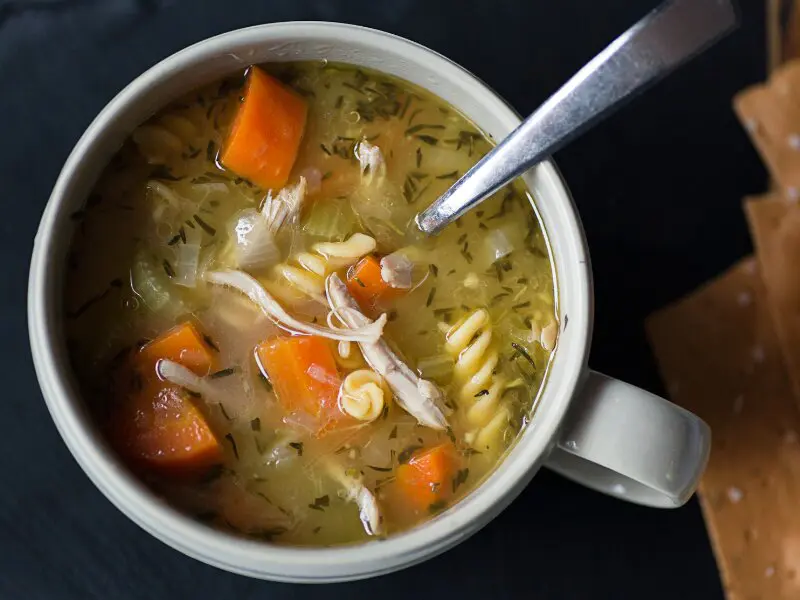
Why chicken noodle soup flavors translate to ramen
This mashup is basically “cozy + fast.” It shows up as a deliberate recipe idea—chicken noodle soup, but using ramen noodles as the shortcut noodle base.
Try it at home: chicken-soup ramen shortcut (broth + aromatics + easy add-ins)
Flavor logic:
Chicken soup is gentle, savory, and aromatic. Ramen noodles deliver the satisfying slurp and chew, and they cook quickly.
Quick method:
- Simmer 2 cups of chicken broth with sliced carrots + celery + a little grated ginger.
- Add ramen noodles and cook.
- Add the seasoning packet or soup base that comes with the ramen package.
- Add shredded chicken and a handful of greens (spinach/bok choy).
- Finish with “signature toppings”: scallions, black pepper, lemon.
■Build-your-own “American ramen mashup” formula
If you want endless ramen upgrade ideas without memorizing recipes, use the 3-part formula:
(1) Familiar Flavor Cue, (2) Ramen Base, (3) “Signature Toppings”.
- Choose your familiar flavor cue:
- Sweet-heat (hot honey / sweet chili / gochujang)
- Wing sauce (Buffalo, garlic-parm style)
- Taco-night (fajita/taco spice, lime, cilantro)
- Comfort classic (pizza cues; chicken-soup cues)
- Pick your base:
- Ramen with soup (best for birria, kimchi, chicken soup)
- Ramen without soup (best for Buffalo-ranch, garlic-parm, pizza ramen)
- Finish with “signature toppings”:These are what make the bowl instantly read as “taco night” or “pizza night” at a glance.
■Conclusion and where to buy Myojo USA noodles
Ramen is an incredibly flexible base for bold flavors. From sweet-heat “swicy” combinations to Buffalo wing comfort, Tex-Mex spice, Korean fusion, pizza-inspired twists, or classic chicken-soup warmth, ramen easily adapts to a wide range of flavor profiles.
If you’re looking for a simple way to try these mashups at home:
- Swicy: sweet-heat drizzle and a bright finish
- Wings: Buffalo-ranch or garlic-parmesan comfort
- Tex-Mex/birria: taco-inspired spice or deeper chili-broth flavors
- Korean fusion: gochujang depth with kimchi tang
- Pizza ramen: tomato, herb, and melty cheese
- Chicken-soup ramen: classic comfort with ramen texture
Pick your mashup, then make it happen—and find a store for ramen noodles near you with Myojo here:
https://www.myojousa.com/where-to-buy/
Reference link:
The Summer of Swicy – The Food Institute
‘Swicy’ flavors take the spotlight in ad campaigns
Americans’ Social Media Use 2025 | Pew Research Center
TikTok’s Instant Ramen Hacks Have Gone Too Far | Eater
Old El Paso Ramen Noodles, Fajita Flavor, Microwave Soup Cup, 2.12 oz – Old El Paso
Cup Noodles Spicy Buffalo with Ranch Wings – Nissin Food
Cup Noodles Lemon Pepper Wings – Nissin Food
Teddy’s Red Tacos – DOWNEY – Birriamen (Ramen w/Birria)
Korean cuisine is reshaping U.S. menus
Korean food keeps evolving as it picks up momentum in U.S. restaurants
Spicy Kimchi Ramen – Ramen Goku – Ramen Restaurant in New York City, NY
Cheese Pizza Ramen | Totino’s
General Mills Launches First Ramen Noodles with Old El Paso and Totino’s — a Bold, Slurp-Worthy Twist on Comfort Food!
Best Ramen Chicken Noodle Soup Recipe